
Time travellers implementation
The Educational Programme Time Travellers was implemented with 5th-grade students in Primary Education. This EP is designed to combine the study of history with the development of computational thinking (CT) skills through a blend of **plugged-in activities**—using the MatataStudio Coding Set—and **unplugged activities**, such as building shelters or simulating ancient trade routes.
Time travellers implementation
Belén Orihuela
Dates: June 5th to 16th, 2025
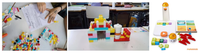
The Educational Programme (EP) Time Travellers was implemented with 5th-grade students in Primary Education. This EP is designed to combine the study of history with the development of computational thinking (CT) skills through a blend of plugged-in activities—using the MatataStudio Coding Set—and unplugged activities, such as building shelters or simulating ancient trade routes.
Throughout the sessions, students worked in teams to tackle challenges inspired by different historical periods, employing active learning methodologies such as Project-Based Learning (PBL) and gamification. The main objective of the programme was to enhance historical understanding while simultaneously fostering computational thinking skills.
The specific aims of the EP were:
- To design learning activities that promote specific computational thinking skills tailored to the characteristics and context of each historical period.
- To implement active methodologies that engage students by meaningfully integrating history education with the development of digital competencies.
- To evaluate student learning and satisfaction through pre- and post-tests focused on computational thinking skills and the perceived effectiveness of the activities.
This initiative is grounded in the hypothesis that integrating computational thinking into the study of history—through active, collaborative methodologies and the use of digital tools—can significantly improve both historical knowledge and CT development among 5th-grade students.
The programme was implemented in two different schools:
- CEIP Pedro Duque, with 25 students aged 10–11.
- CEIPSO José Echegaray, with 100 students, aged 11.